Understanding the Core Concepts of Prediction Markets and Sports Betting
In my years tracking these spaces, I've found a key distinction. Traditional sportsbooks like BetMGM set fixed odds. Prediction markets like Kalshi instead use a dynamic, exchange-traded price. You're not just betting against a house; you're trading your forecast with other participants. This creates a fascinating, crowd-sourced price of probability. The line between betting and financial analysis starts to blur here.
How Modern Betting Activities Are Evolving with Technology
My phone is now my primary betting tool. Consider these recent evolutions:
- DraftKings' live betting updates odds every second during a game.
- BetRivers offers instant cash-out while a bet is still active.
- AI-driven sites like Betsperts provide real-time data overlays on streams.
- Fanduel uses geolocation to verify you're within state lines.
This means betting activities are no longer isolated events. They are integrated, data-rich experiences. The time between event and wager has collapsed. I can now place a live bet on a baseball at-bat before the pitcher throws his next pitch. It's continuous engagement, not just a pre-game ticket.
The Rise and Mechanics of Prediction Exchanges and Sites
Sites like PredictIt and Polymarket operate on a different mechanic, functioning as a form of financialized speculation distinct from traditional sports betting. You buy shares in an outcome, like a stock. If you think "Team X to win" is currently priced at 60 cents, you buy. If they win, each share pays out $1. You can also sell your position anytime the market moves. I've found this creates a secondary market for information. The real power is watching the "wisdom of the crowd" move the price on platforms known as polymarket prediction markets, which are exciting hubs for real-time forecasts and informed bets. It feels less like gambling and more like trading on insider news, but legally and transparently. The house takes a small commission on winnings, not your initial stake, which adds to the overall appeal for analytical participants.
Live Betting Strategies for Maximizing Opportunities in Sports
Speed is critical. My strategy relies on tools. I use BetMGM's live visualizations for soccer expected goals data. I follow specific teams known for momentum swings. I once won a 5-leg live basketball parlay by focusing purely on quarter-by-quarter point totals. The key is to identify inefficiencies the algorithm hasn't caught. You must act in seconds. Don't chase a game; watch for the predictable pattern. This requires serious concentration and a stable internet connection.
Key Differences Between Gambling, Forecasting, and True Prediction
In practice, gambling is entertainment with an edge against you. Forecasting uses data models like FiveThirtyEight's ELO ratings. A true prediction market price is a consensus instrument, blending opinion, data, and capital. My gambling budget is for fun. My forecasting work informs my investments. The prediction market is where I test my thesis against the world. The house wins in gambling over time. In prediction markets, the most accurate forecaster wins. That's a fundamental, practical distinction in your approach.
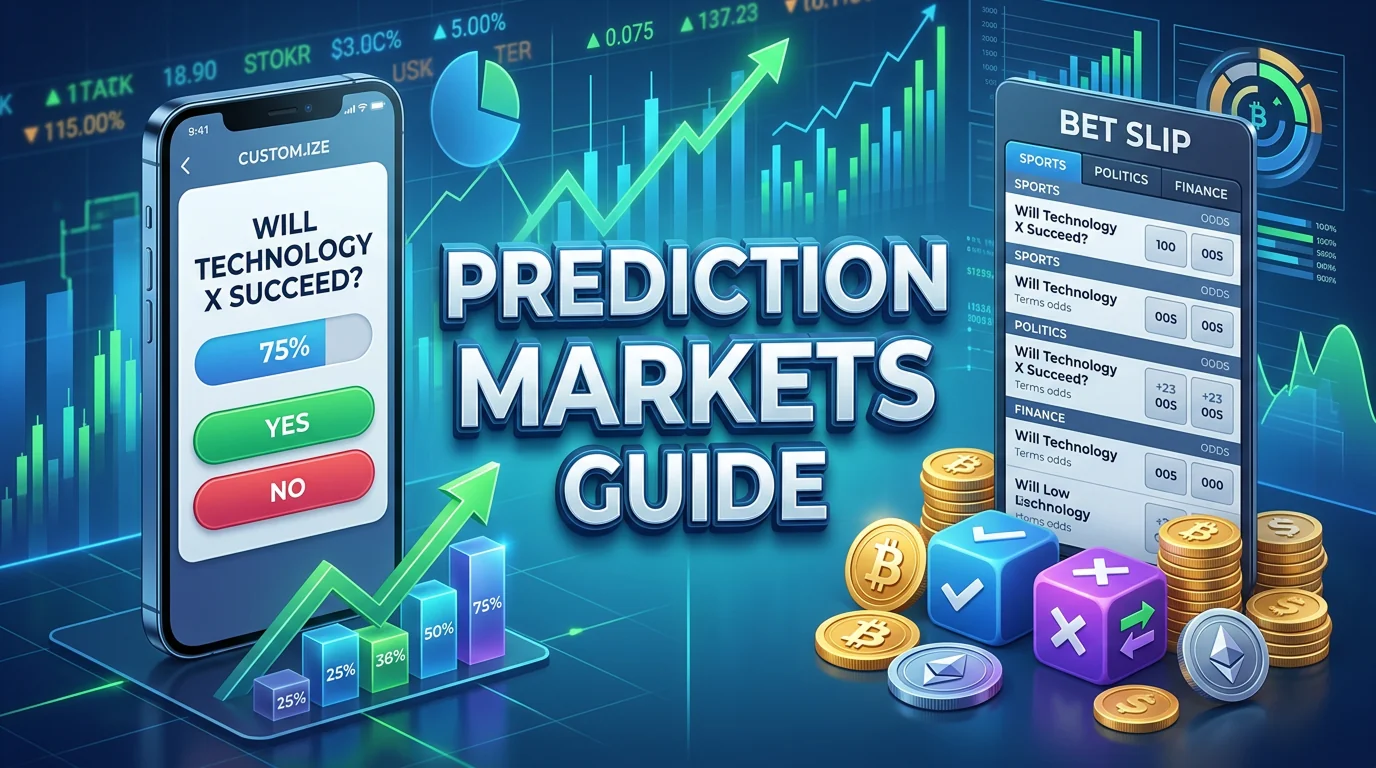
A Comparative Look at Top Sportsbooks and Prediction Platforms
You use them for different purposes. Sportsbooks excel at entertainment and promos. Prediction platforms are for pure signal. After testing both, I've developed a clear split.
The best sportsbook is your best casino. The best prediction market is your most honest pollster.
DraftKings offers -110 odds and free bets to hook you. Kalshi offers a 95-cent "Yes" share on an event with no juice, just a 5% fee on winnings. One sells you a game. The other sells you a data point. My budget reflects this: 80% for predictive trading, 20% for sportsbook fun.
Analyzing Predictions Prices and Data for Winning Forecasting
Ignore the noise. Look for market inefficiencies. I focus on specific, actionable signals:
- Track line movement against key injury news timing on ESPN.
- Compare Kalshi political market prices to FiveThirtyEight's model.
- Watch for "sharp money" indicators on Oddsjam's tools.
- Note when BetMGM's live odds lag behind the on-field action.
This process reveals disconnects. Last Super Bowl, the live line moved 1.5 points before the TV broadcast showed the quarterback's injury. That's pure arbitrage. Winning forecasting isn't about being right first. It's about recognizing when the crowd is wrong and acting before they correct. You need multiple data streams open at once.
The Emerging Intersection of Sports Finance and Wagering Markets
This isn't theoretical. I watch real money flow. Consider these financial instruments now tied directly to sports outcomes.
| Instrument | Provider/Exchange | Typical Margin/Fee | Liquidity Source |
|---|---|---|---|
| Player Prop Futures | DraftKings Marketplace | 10-20% juice | Retail bettors |
| Event Contracts | Kalshi | 5% on winnings | Retail & institutional |
| Fantasy Stock | PredictIt | 10% on winnings + 5% on sales | Political bettors |
| Binary Options | Nadex | Built into spread | Regulated derivatives traders |
The fee structure tells you everything. A Kalshi contract fee is closer to an E*TRADE stock trade than a casino vig. This convergence means capital is allocating based on probabilistic forecasts, not just fan passion. I treat my prediction portfolio like a small, speculative equity fund.
Navigating Raffles, Competitions, and Other Betting Formats
These are lottery tickets, not investments. I enter some for fun. Websites like PrizePicks offer daily fantasy "raffles" with huge top prizes. The key is understanding the math. Your chance in a million-person competition is effectively zero. I budget $20 a month for these. It's pure entertainment value. They're designed to feel like skill but are overwhelmingly chance. Stick to your main forecasting bankroll for serious work. These formats are a sideshow.
The Future of Gambling Markets and Predictive Analytics
The lines will vanish. I expect betting apps to integrate directly with financial brokerage APIs. Imagine hedging a DraftKings futures bet with a Kalshi short sell. Real-time predictive analytics will be a paid overlay on every sports broadcast. Your "betting" portfolio will be part of your net worth dashboard. Regulatory walls will strain and crack. The gambler becomes a quant. The bookmaker becomes an exchange. My advice? Build your forecasting discipline now. The tools are coming. The market is impatient and hungry for signal.
FAQ
Should I use a sportsbook or a prediction market?
Use sportsbooks like DraftKings for entertainment. Use prediction markets like Kalshi for serious forecasting. I allocate my budget accordingly: 80% for predictive trading, 20% for sportsbook fun.
What's the best strategy for live betting?
Speed and data tools are critical. Focus on specific inefficiencies, like quarter totals, and act in seconds. I rely on BetMGM's visualizations for real-time data.
Are prediction exchanges just gambling?
No. They are financial instruments for forecasting. The house takes a small commission on winnings, not a built-in edge. You trade probability with other participants.
How do prediction market prices help forecasting?
They reflect crowd consensus. I compare Kalshi prices to models like FiveThirtyEight's to find inefficiencies. A moving line often signals information before the broadcast.
What's the difference between a raffle and a bet?
A raffle is a lottery with near-zero odds. I budget a tiny amount for fun. A bet, especially on a prediction market, is a tested financial thesis.
Will sports finance and betting merge?
Yes, they are converging now. I expect betting apps to integrate with brokerage APIs. Your forecasting portfolio will become part of your net worth dashboard.